
Process Flow
Product process
Environmental Protection
Meat and bone meal process
Wet production process
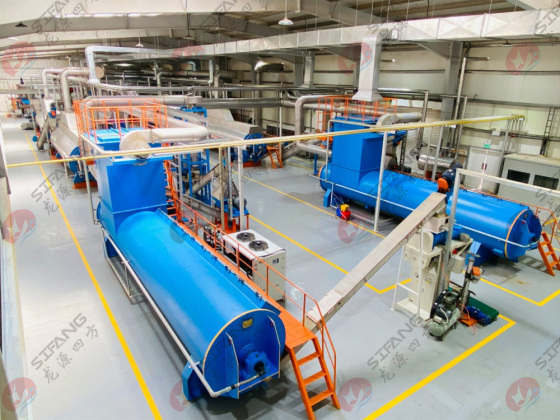
As one of the most advanced production processes in China, this process firstly uses two cooking machines for continuous cooking and then cooperates with a twin-shaft press for pressing. The pressed cake then enters the dryer for continuous drying, followed by sieving, crushing, cooling, and packaging according to the specific needs of the system. Simultaneously, the squeezed juice feeds into a specialized concentration system for the production line of meat and bone meal. This concentration utilizes the dryer's exhaust gas for low-temperature evaporation. Making one ton of meat and bone meal can save more than one ton of steam consumption. It is currently the most energy-saving and environmentally friendly production process.
Suitable raw materials include those with low fat content.

Dry production process
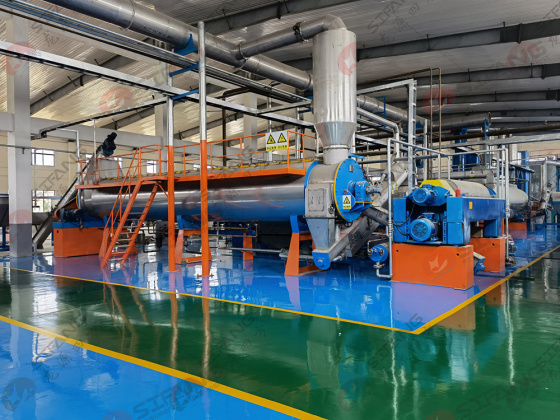
The dry production process is a relatively common one in China. The process primarily targets raw materials with high fat content, like duck skeletons, which naturally contain a significant amount of viscera, skin, and meat. The mincer first grinds the raw materials into a meat paste, followed by a disc dryer for moisture drying. Pressing then separates the oil, and the pressed cake undergoes sieving, crushing, cooling, and packaging.
Suitable raw materials: raw materials with high fat content.

Boiled oil production process
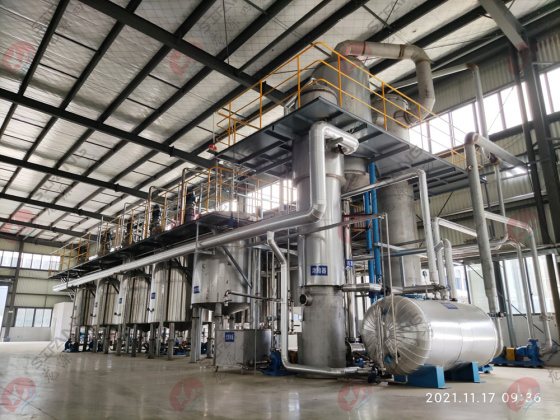
At present, the most common animal oil cooking process is the heat-conducting oil refining process, which generally uses a reactor for vacuum boiling oil refining. The refined oil has a good color and high oil yield, but this process does not volatilize the animal oil's mellow flavor, and the acid value of the oil tends to rise after a long time.
Suitable raw materials: animal offal with high fat content and low fiber, etc.


Products