

Q
Fishmeal and Fish Oil Production Process
A
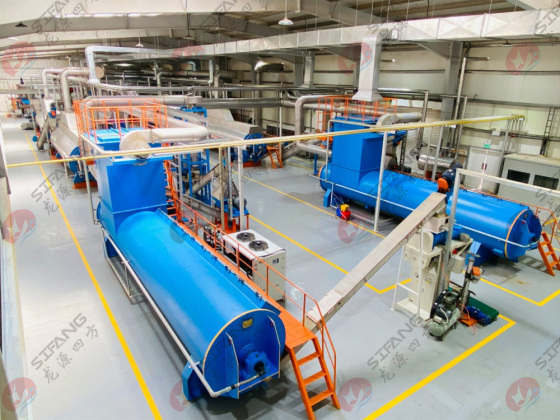
The production of fishmeal and fish oil follows a well-defined process that consists of cooking, extraction, and drying. During the production of fishmeal and fish oil, only steam forms as a by-product. In fact, the product contains all the raw materials but does not include most of the water it contains. The production follows strict quality management procedures to ensure that the parameters of the final product meet the recommended requirements for nutrients and contaminants. This process is very technically demanding in order to preserve the nutrient content of the raw materials as much as possible and ensure the successful transfer of these components to the final fishmeal and fish oil products.
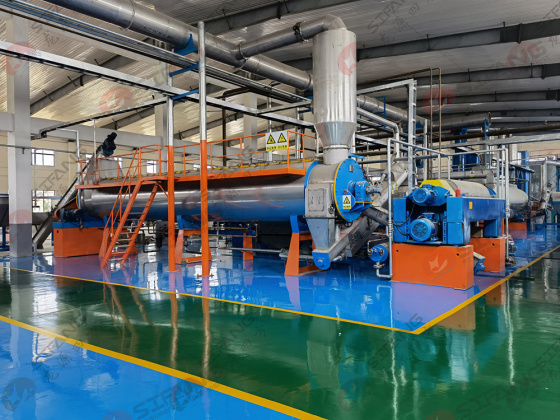
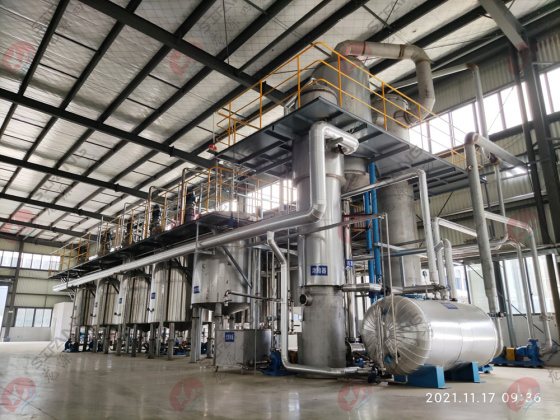
Cooking fresh fish at a temperature of 85°C to 90°C coagulates the proteins, releases part of the oil, and inactivates the microorganisms. Clean transfer, sterilized storage devices, short storage times, and low temperatures maximize the inactivation of microorganisms and prevent spoilage. At the same time, relatively low temperatures can inhibit the fish's enzymatic activity and prevent it from spoiling in other ways. We then transfer the cooked fish to a screw press, where we press it to separate the fishmeal paste and the juice (water, protein, and oil). The dryer receives the fishmeal paste for drying, while a container separates the juice from the remaining solids, and a centrifuge separates the oil from the thick fish juice (protein water). We then evaporate and concentrate this juice (protein water) to create a concentrated viscous solution, which we will mix with the fishmeal paste in the dryer. A typical dryer has coils that allow hot steam to enter. The coils have the ability to regulate the temperature up to 90 °C, with the steam's flow rate controlling the temperature, resulting in a moisture content of approximately 10% for the dried fish. Low-temperature dryers, such as indirect steam dryers or vacuum dryers, operate at a lower temperature.
The fish oil will be purified, followed by other steps to separate the more solid impurities, as well as a special filter to remove soluble impurities. Fish oil capsules are examples of other more elaborate processing procedures that result in clear, odorless fish oil for pharmaceutical or nutritional use.
Previous:
Other
SERVICE SUPPORT
Customer satisfaction is our eternal goal
Adhering to the principle of "development is the last word, survive by quality, and win the world by integrity", we will continue to provide high-quality products and good services on the way to continuous development.

Products